
THINC Tank
Ask anyone who knows me: at the drop of a hat, I can talk for hours about what caught my attention last week. Not just the notable marketing campaigns and popular trends—but also the disturbing connections between who’s doing what and why. Where some trends are headed. Why the biggest stories aren’t really what they seem.
From captivating insights to cautionary tales, the THINC Tank℠ rounds it up and keeps the conversation going. Whether you like the topics or not.

Being unreachable used to signal low status. Now, control over your attention is the scarce resource. Here’s why disconnection is the new status symbol.
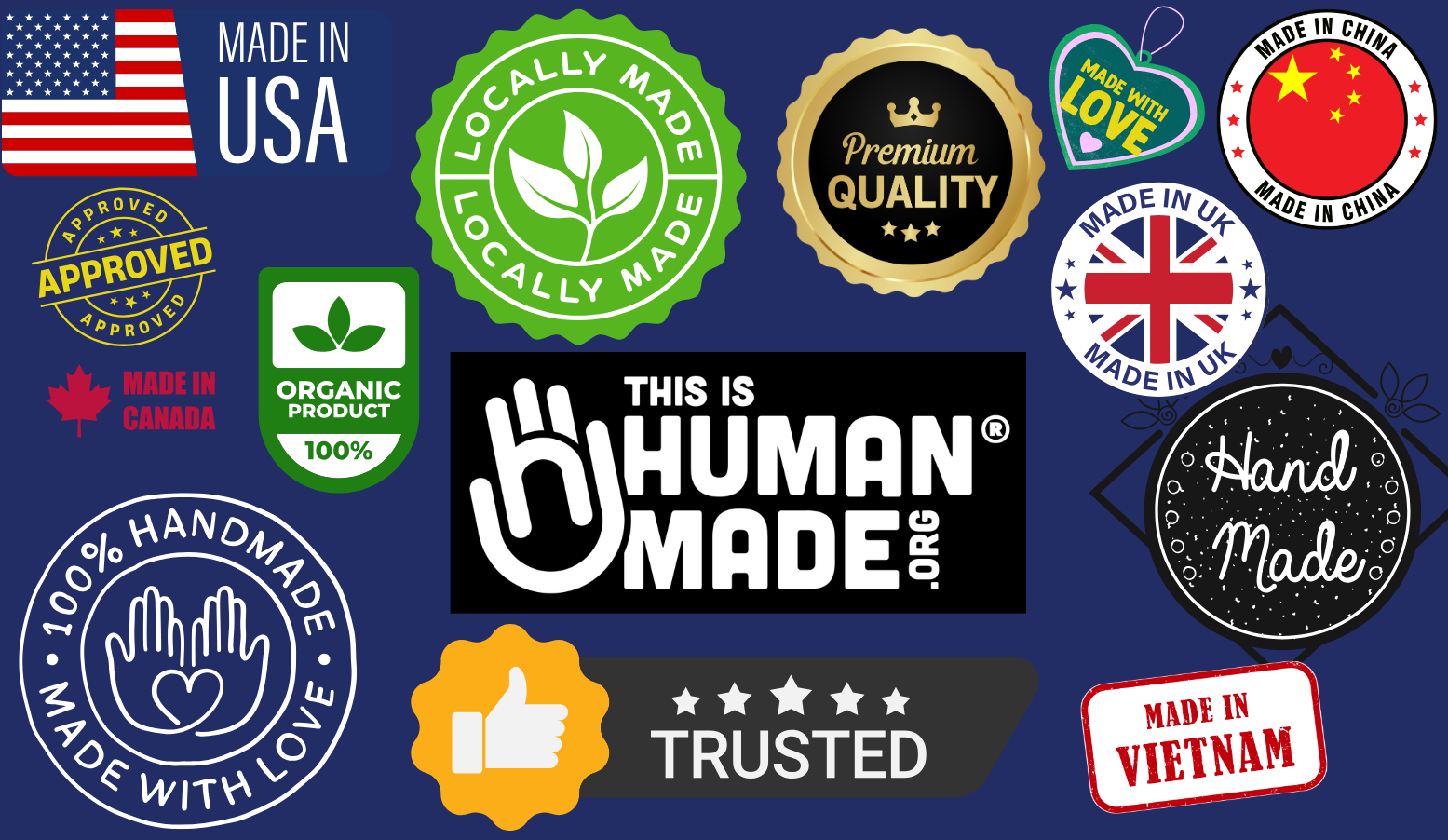
As AI enables rapid creative output, human authorship becomes harder to assume. What does the "Human-made” label mean, and what comes next?

For decades, performance promised stability. AI, layoffs, and shifting workplace incentives have rewritten the rules. It's time to rethink success.

Before KPIs, dashboards, and LinkedIn, there was the report card. Here's how school taught us to measure our worth long before we entered the workplace.

We built scoreboards to measure our lives. Somewhere in the last decade some of us started living for the scoreboard instead.

How did sunscreen evolve from a simple health product into a symbol of identity? From baby oil to glitter sunscreen, discover how sunscreen has evolved and what that reveals about marketing and consumers.

Why are brands so eager to reach expecting parents first? Explore how marketing, status, and anxiety shape the modern market for the optimized infant.

The polymath trend isn't a rediscovery of human range. It's what happens when AI reprices specialization and the market needs a new ideal to sell back to workers.

Sleep didn't become a billion-dollar industry because we started sleeping worse. It happened because anxiety about sleep was remarkably easy to sell.
LinkedIn did not just change networking. It changed how workers understand identity, ambition, visibility, and professional value in an AI-driven performance economy.
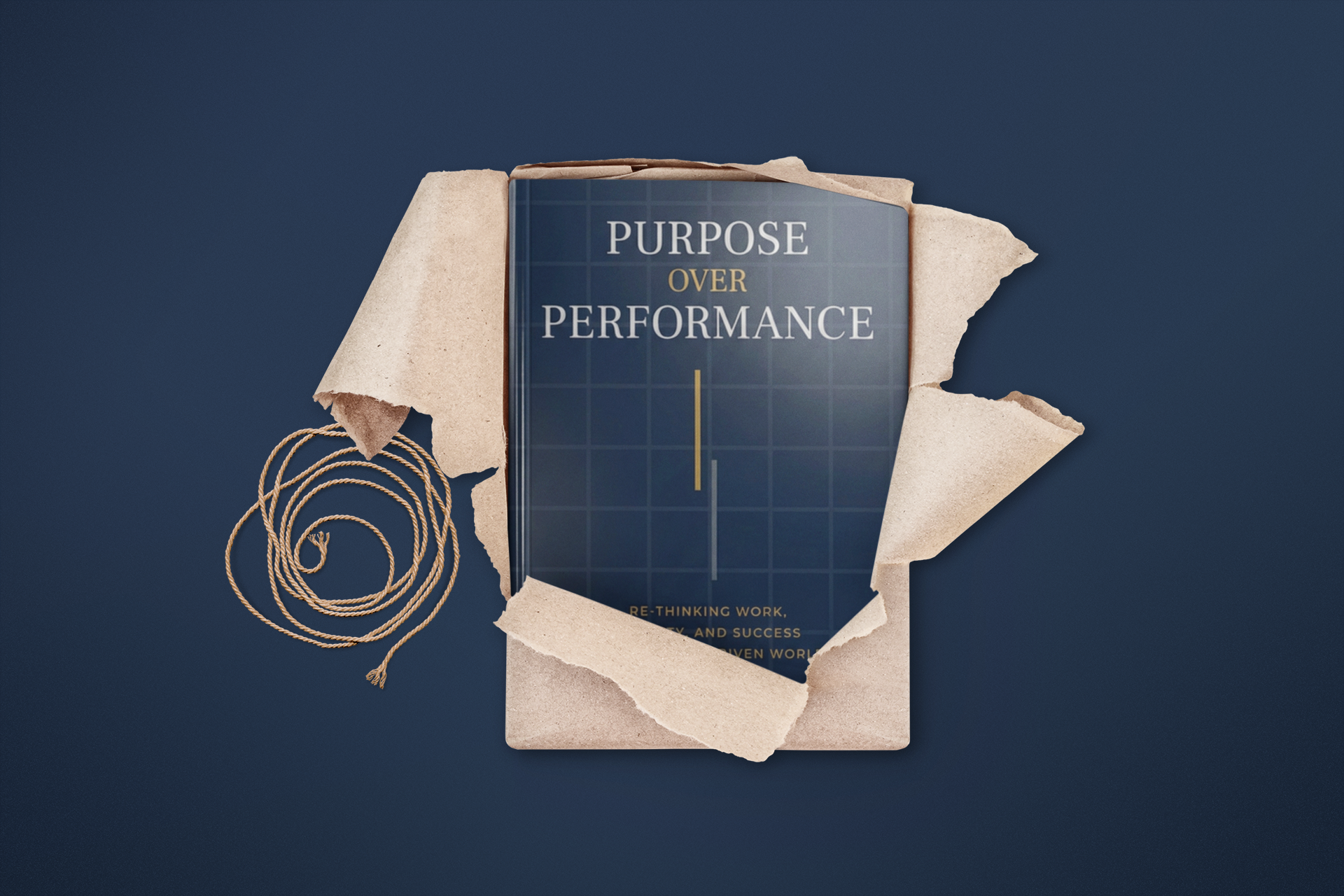
A first look at my next book, Purpose Over Performance, and why one part of that conversation became The Graduation Gift, available now for preorder.

Why is smoking showing up everywhere again? Not because the habit has returned, but because the image has—reshaped by culture, identity, and the growing demand for control.