

Need a drink?
In FADS, we talk about how the alcohol industry has used gender, nostalgia, insecurity and other vulnerabilities to get us drunk – where are we at in 2022?
In FADS, we talk about how the alcohol industry has used gender, nostalgia, insecurity and other vulnerabilities to get us drunk – where are we at in 2022?
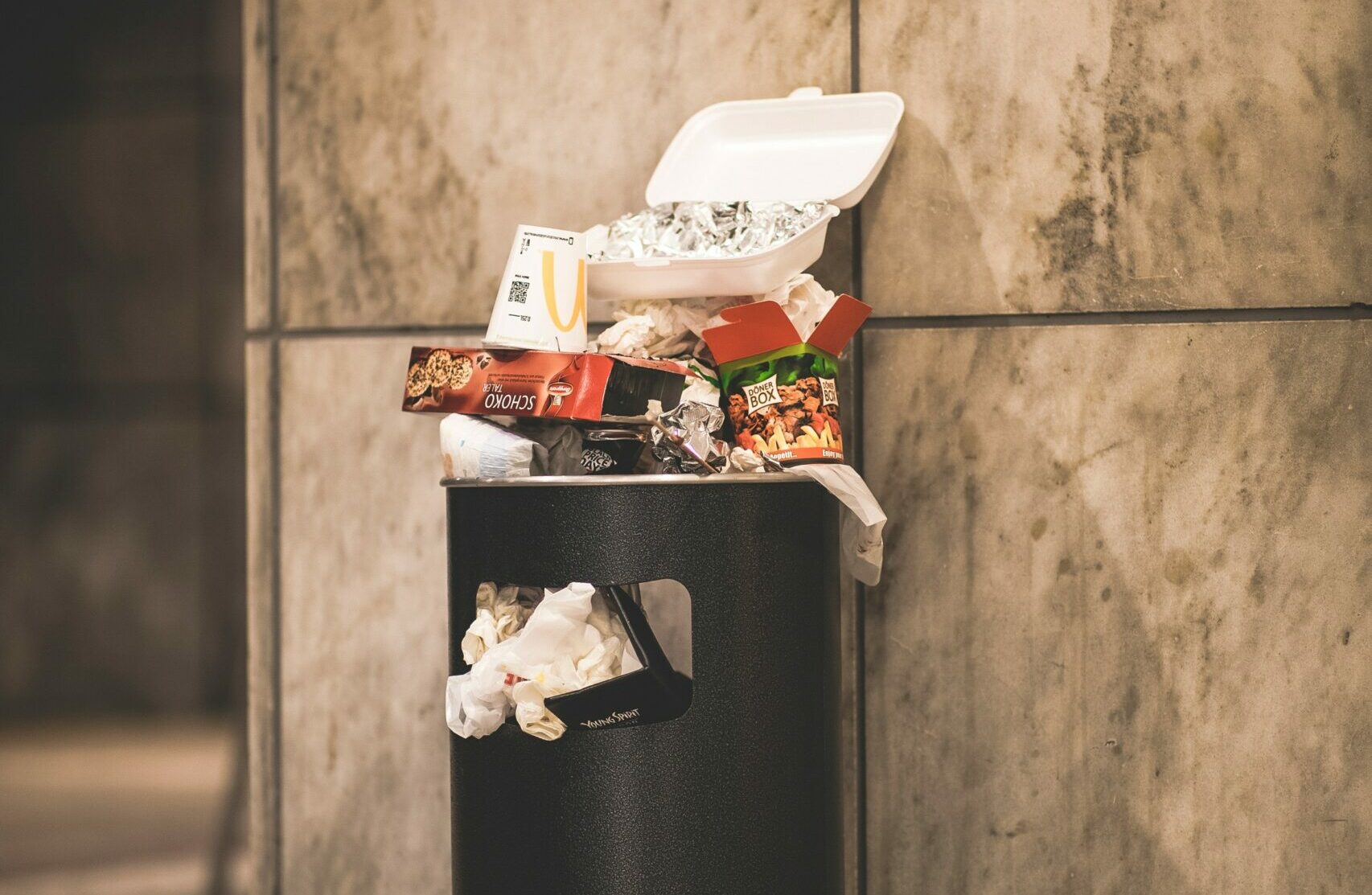
Addressing food waste, and highlighting sustainability are noble causes, but make no mistake. Hellman’s is not spending millions and millions of dollars to make people feel good.

The powers that be will always be looking to their marketing departments to help shape our preferences, and they’ll continue to hone in on their targets (us) with more precision.

Drinking habits, attitudes, and behaviors for each generation are closely monitored by marketers, because they need to craft just the right messages and campaigns to keep their steady customers coming and reach the next generation of drinkers.

Without the ability to physically stimulate our senses with Smell-O-Vision, scent bubbles, or lickable screens, brands that rely on sensory marketing are getting a crash course in some of the ways to reach audiences online with tactics they may not have had to try before.
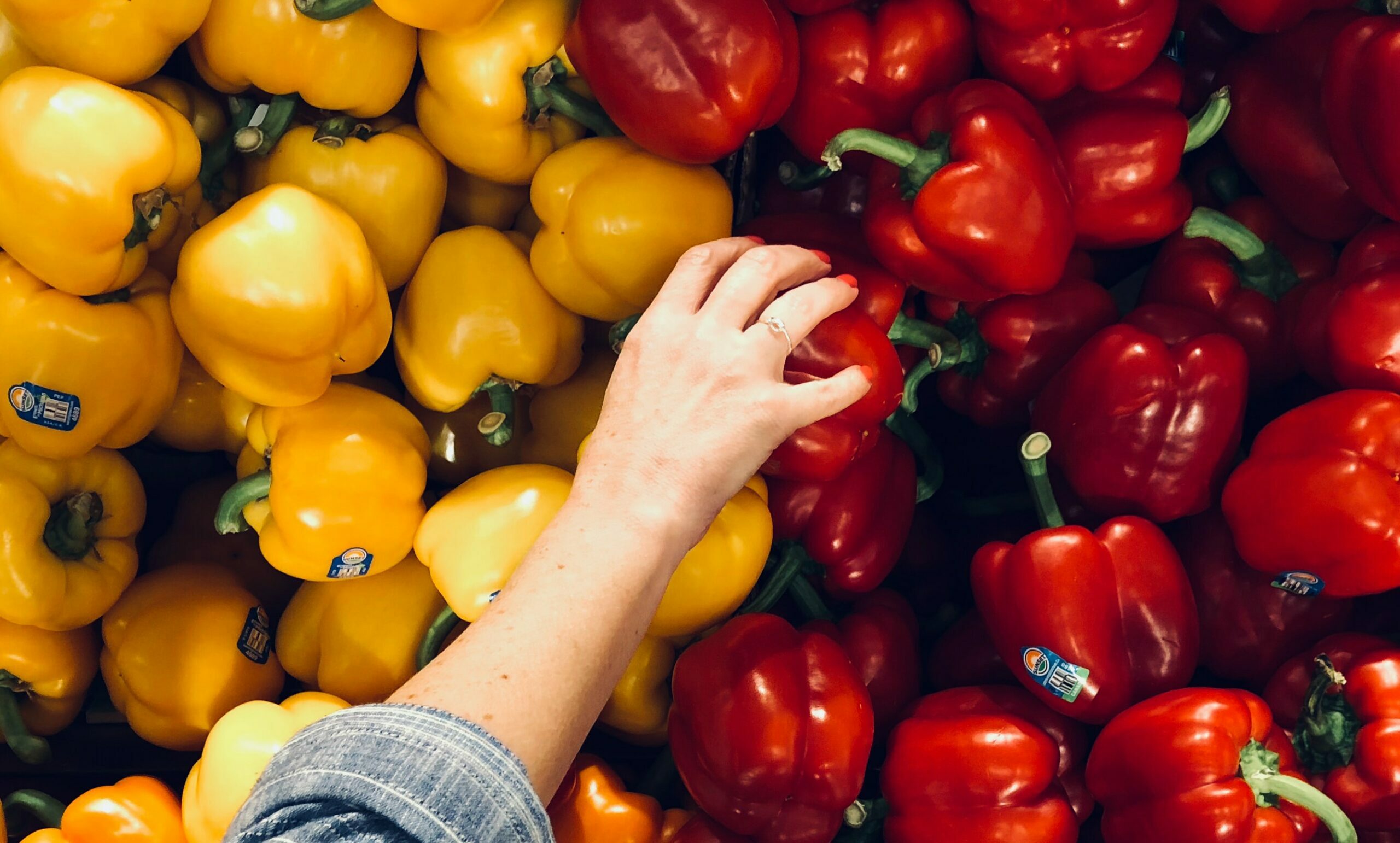
When I recently read this New Yorker article about a regional sales manager from Missouri, who ended up committing serious fraud in the organic grain industry, I couldn’t help but think of the organic food market over the years.

As a “fan of both trends and alcohol,” Stephen Colbert, host of The Late Show with Stephen Colbert brings us an update he’s calling Booze Newz, to keep us informed about the latest in alcohol advertising.
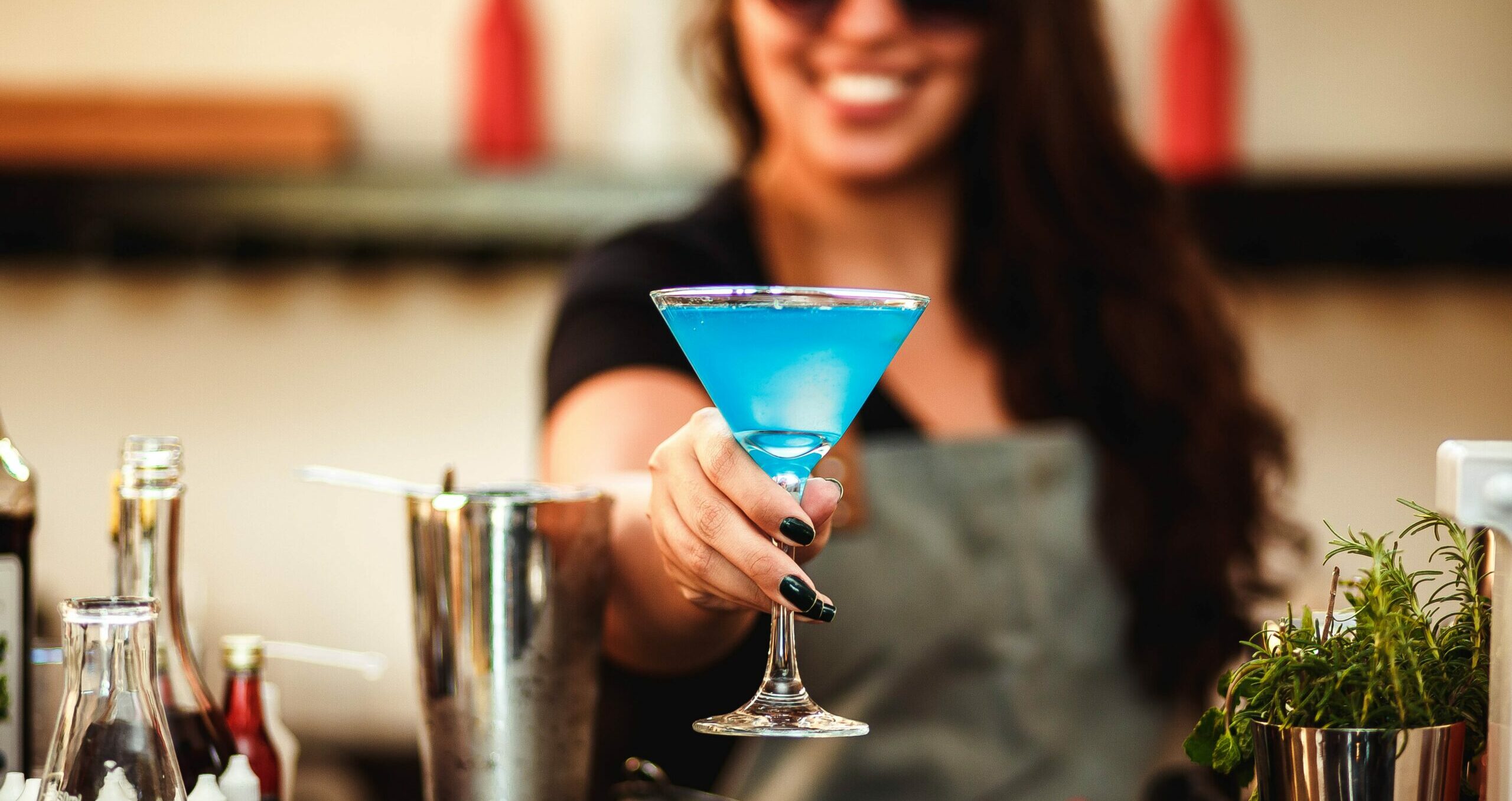
Sure looks like this trend continues to grow. And while this trend is predictably being blamed on the Millennials, we should get ready to start blaming Gen Z, because it seems they aren’t as into drinking as their Boomer grandparents or Gen X parents either.

We gather the most interesting bits of #FADS news in this Friday news round up.
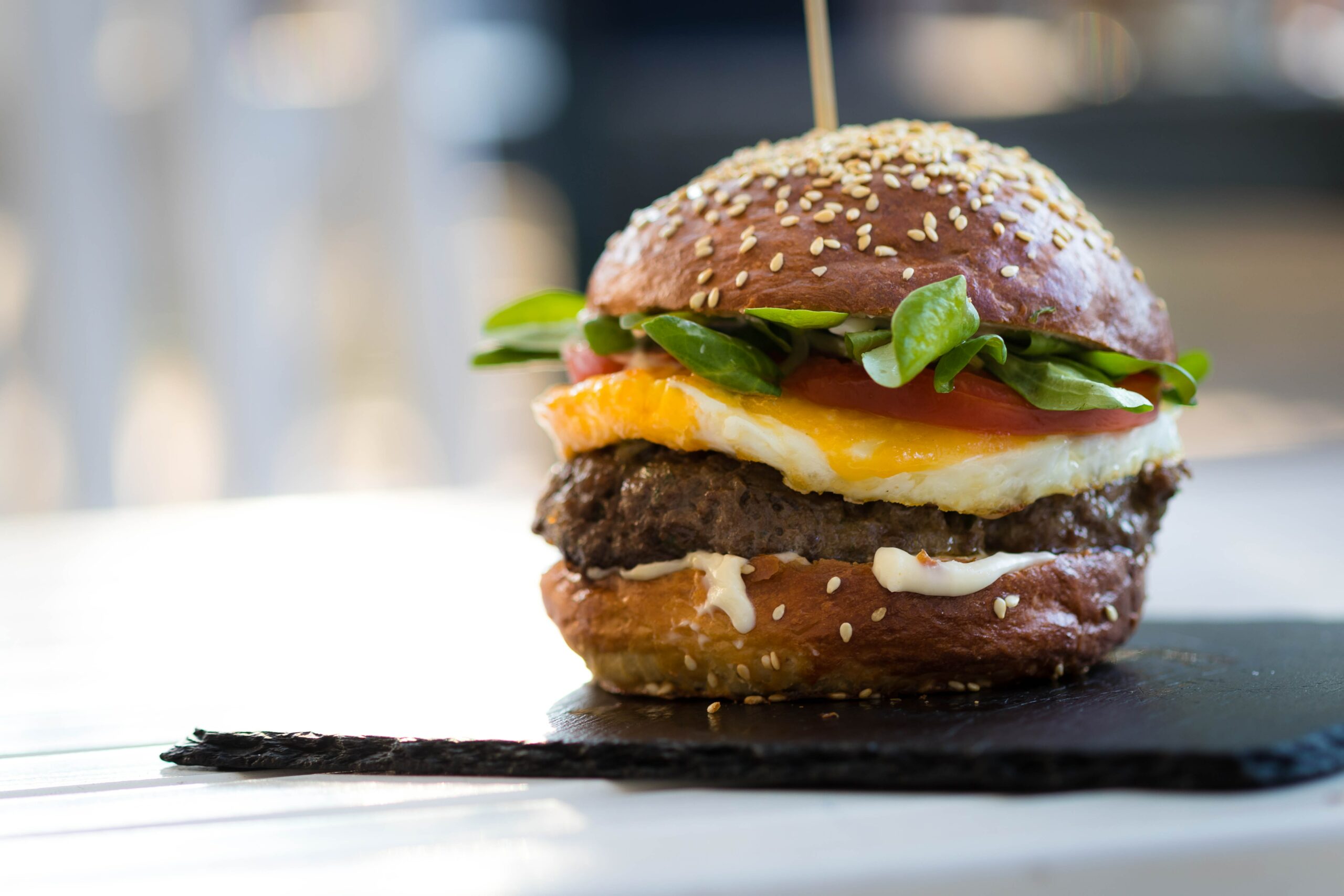
Impossible Foods released a more nutritious version of its plant-based burger to address concerns that the original formula was no more healthy than a regular ground beef burger. The new version has less sodium, and saturated fat, and is gluten-free.